A practical carpet stain and pest DIY guide for Gold Coast homeowners and renters, using products most people already have at home. These methods will not replace a professional clean, but they can help you manage stains and pest pressure between treatments.
"Phil is not only a great guy, but he genuinely knows how to solve any problem you throw at him, and we've certainly had a few over the years."
Melanie B., Google review
★★★★★
"Phil is hands-down the best pest control guy we've ever had. He shows up right on time, always friendly and professional, and took the time to actually explain what he was doing and why."
Tanya G., Google review
★★★★★
"Had an amazing experience. They were very quick and efficient, I couldn't have asked for anything more. Phil and his team did an amazing job and couldn't recommend more."
Jorja W., Google review
★★★★★
"Gave me honest and genuine advice and service at a great price."
Google review
★★★★★
"Extremely high standard of work, communication and customer service."
Google review
★★★★★
"Phil and Cooper did a fantastic job cleaning our carpet, rugs and furniture."
Google review
DIY carpet stain and pest guide. Practical methods using products most Gold Coast homes already have. Always test any solution on a hidden area first, never scrub a stain, always blot, and work inward from the outer edge to prevent spreading. These methods are for carpets with a W or WS care code: patch-test wool carpets first, and call us before attempting treatment if you are unsure of your carpet type.
The most important rule with any carpet stain is to act quickly and blot, never scrub. Scrubbing pushes the stain deeper into the fibres and can permanently damage the pile. All of the methods below use products available at supermarkets or hardware stores.
The golden rules of DIY stain treatment
Blot, never scrub. Use a clean white cloth and work from the outside edge inward.
Act immediately. The longer a stain sits, the harder it is to remove.
Patch test first. Apply any solution to a hidden area and wait two minutes before treating the stain.
Use cold water unless the method specifies otherwise. Hot water can set protein-based stains.
Rinse after every treatment by blotting with a clean damp cloth to remove product residue.
Do not over-wet the carpet. Excess moisture can cause mould, odour, and backing damage.
Red Wine
Red wine contains tannins and pigments that bond quickly to carpet fibres. Fast action gives the best result.
What you need
Cold water
1 tablespoon dishwashing liquid (clear, not coloured)
1 tablespoon white vinegar
Spray bottle
Clean white cloths or paper towel
Steps
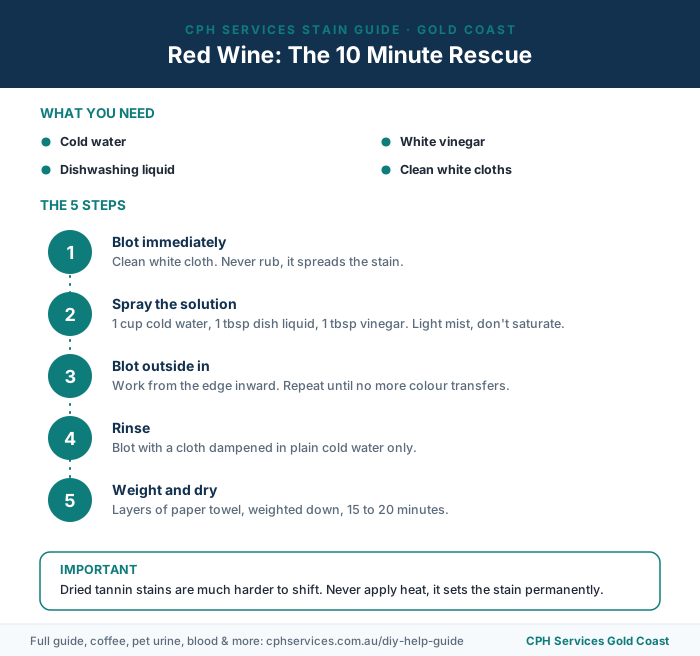
Blot up as much of the wine as possible immediately using clean white cloths. Do not rub.
Mix 1 cup cold water, 1 tablespoon dishwashing liquid and 1 tablespoon white vinegar in a spray bottle. Spray the solution lightly onto the stain. Do not saturate.
Blot with a clean cloth, working from the outside edge inward. Repeat until no more colour transfers to the cloth.
Rinse by blotting with a cloth dampened with plain cold water.
Place several layers of paper towel over the area, weight it down, and leave for 15 to 20 minutes to absorb remaining moisture.
Important: If the stain has dried, it will be significantly harder to remove. Dried tannin stains often require professional treatment. Do not apply heat.
Save this one. The 5 step red wine rescue, at a glance.
Coffee and Tea
Coffee and tea are tannin stains. Fresh spills respond well to the same solution as red wine.
What you need
Cold water
1 tablespoon dishwashing liquid
1 tablespoon white vinegar
Spray bottle, clean white cloths
Steps
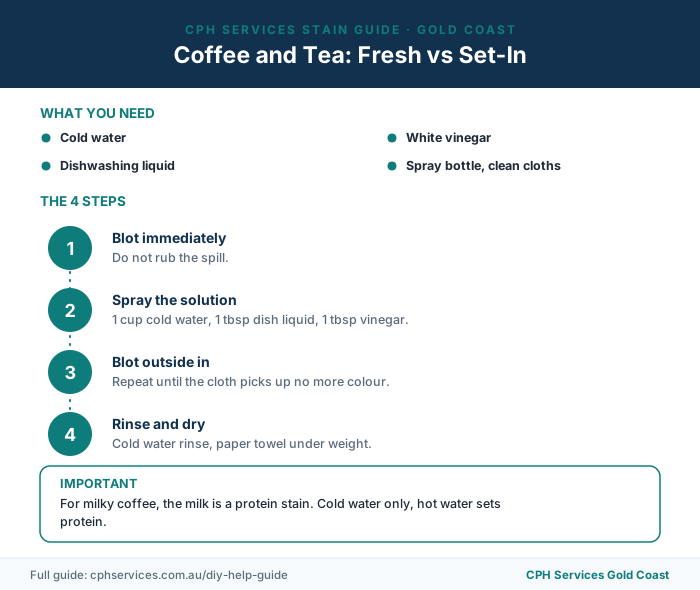
Blot up the spill immediately. Do not rub.
Mix 1 cup cold water, 1 tablespoon dishwashing liquid and 1 tablespoon white vinegar in a spray bottle. Spray the solution lightly onto the stain.
Blot from the outside in. Repeat until the cloth picks up no more colour.
Rinse by blotting with cold clean water. Dry with paper towel under weight.
Important: For milky coffee, the milk component is a protein stain. Use cold water only in the first step. Hot water will set protein.
Save this one. Coffee and tea, fresh vs set-in, at a glance.
Pet Urine
Pet urine requires a two-stage approach: neutralise the acid first, then address the odour. Standard cleaning products mask the smell but do not eliminate it. Only an enzyme-based product breaks down the organic matter at the source.
What you need
Cold water
White vinegar
Bicarbonate of soda (baking soda)
Enzyme-based pet stain remover (available at pet stores and supermarkets, brands include Nature's Miracle, Simple Solution and Biozet Attack)
Spray bottle, clean white cloths, paper towel
Steps
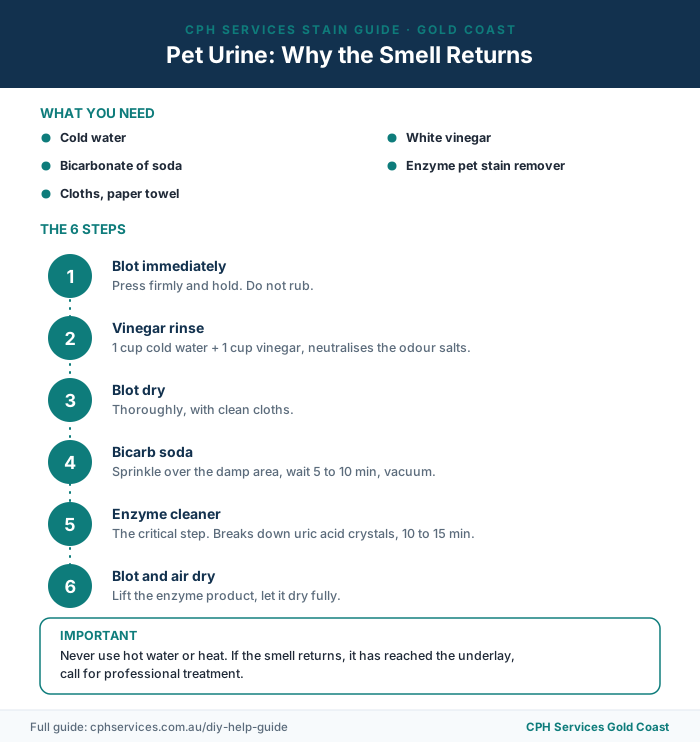
Blot up as much urine as possible immediately. Press firmly and hold. Do not rub.
Mix 1 cup cold water with 1 cup white vinegar in the spray bottle. Spray lightly over the stain. The vinegar neutralises the alkaline salts in urine that cause the odour.
Blot dry thoroughly with clean cloths.
Sprinkle a generous layer of bicarbonate of soda over the damp area. Leave for 5 to 10 minutes, then vacuum up.
Apply the enzyme cleaner according to its label directions. This step is critical: the enzyme product breaks down the uric acid crystals that cause the persistent smell. Leave it to work for the time stated on the label, typically 10 to 15 minutes.
Blot up the enzyme product with clean cloths. Allow to air dry thoroughly.
Important: Never use hot water or apply heat to a fresh urine stain. Heat sets the proteins and can make the stain and odour permanent. If the urine has penetrated the underlay, DIY methods will not fully resolve the odour and professional extraction is required. If the smell returns after the carpet dries, the urine has reached the underlay or subfloor. Call CPH Services Gold Coast on 1300 85 48 28 for professional antibacterial enzyme treatment.
Save this one. Why the smell keeps coming back, and the 6 step fix.
Blood
Blood is a protein stain. Cold water only. Heat permanently sets blood.
What you need
Cold water
1 tablespoon dishwashing liquid OR 1 tablespoon hydrogen peroxide 3% (from chemists, test first on a hidden area as peroxide can lighten some carpets)
Spray bottle, clean white cloths
Steps
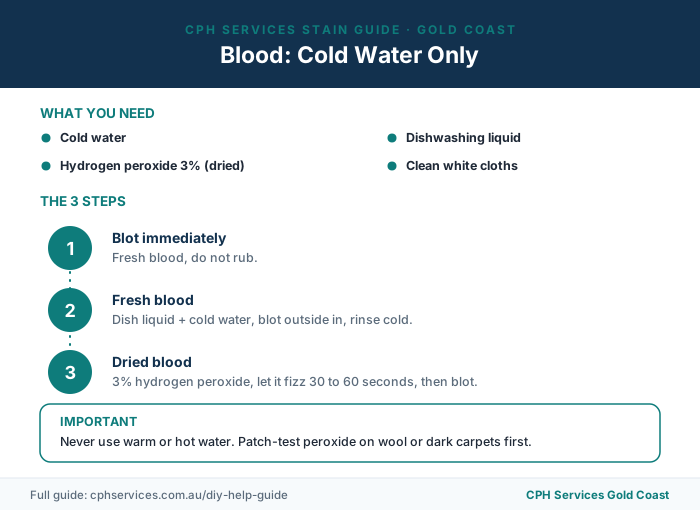
Blot up fresh blood immediately. Do not rub.
For fresh blood: mix 1 tablespoon dishwashing liquid with 1 cup cold water. Spray lightly and blot from outside in. Repeat until the cloth picks up no more colour. Rinse with cold water.
For dried blood: apply a small amount of 3% hydrogen peroxide directly to the stain. Allow to fizz for 30 to 60 seconds. Blot, do not rub. Rinse with cold water and blot dry. Repeat if necessary.
Important: Never use hot or warm water on blood. Do not apply hydrogen peroxide to wool carpets or carpets with rich, dark colours without patch-testing first.
Save this one. Fresh vs dried blood, cold water only.
Grease and Oil (Cooking Oil, Butter, Sunscreen)
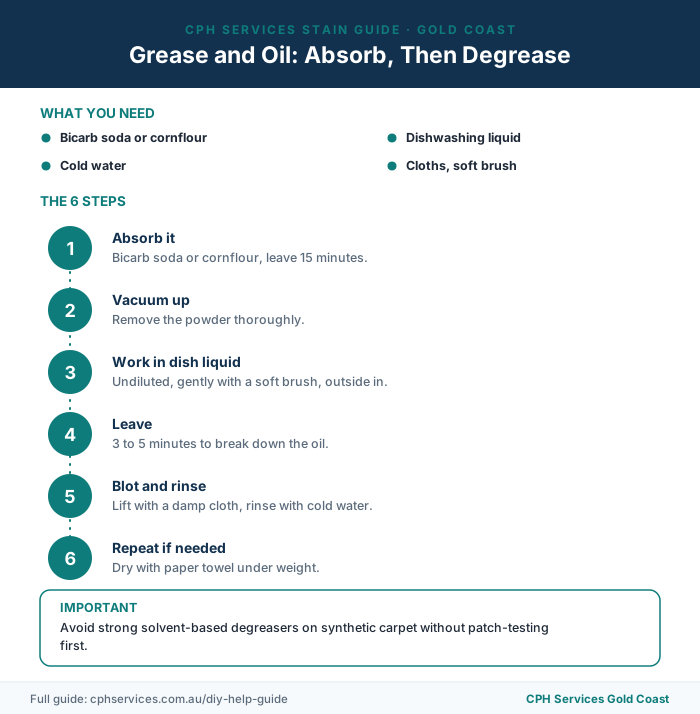
Grease and oil need an absorbent and a degreaser. Water alone will not lift an oil-based stain.
What you need
Bicarbonate of soda or cornflour
Dishwashing liquid (a grease-cutting formula works best)
Cold water
Clean white cloths, soft brush or old toothbrush
Steps
Sprinkle a generous layer of bicarbonate of soda or cornflour directly onto the stain. Leave for 15 minutes to absorb the oil.
Vacuum up the powder thoroughly.
Apply a small amount of undiluted dishwashing liquid directly to the stain. Work it gently into the fibres with a soft brush, moving from the outside edge in.
Leave for 3 to 5 minutes.
Blot with a clean damp cloth to lift the soap and grease. Rinse by blotting with a cloth dampened with cold water.
Repeat if residue remains. Dry with paper towel under weight.
Important: Do not use a strong degreaser or solvent-based cleaner on synthetic carpet without patch-testing. These products can dissolve carpet adhesives or degrade the backing.
Save this one. Absorb first, then degrease, the 6 step method.
Mud and Dirt
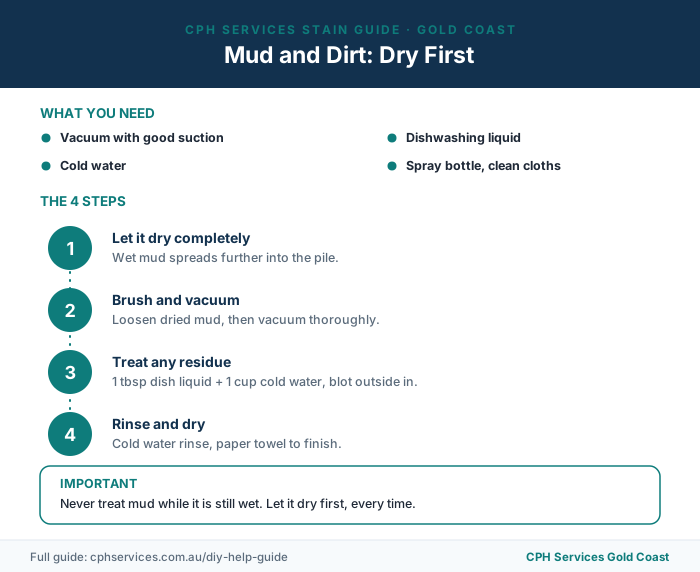
Counter-intuitively, the best approach with mud is to let it dry completely before attempting to clean it.
What you need
Vacuum cleaner with good suction
1 tablespoon dishwashing liquid
Cold water
Spray bottle, clean white cloths
Steps
Allow the mud to dry completely. Attempting to treat wet mud spreads it further into the pile.
Once dry, use a firm brush to loosen the dried mud. Vacuum thoroughly.
For any remaining stain: mix 1 tablespoon dishwashing liquid with 1 cup cold water in a spray bottle. Apply lightly and blot from outside in.
Rinse by blotting with cold clean water. Dry with paper towel.
Important: Never treat mud while it is still wet. Let it dry first, every time.
Save this one. Why letting mud dry first matters.
Ink (Ballpoint and Rollerball Pen)
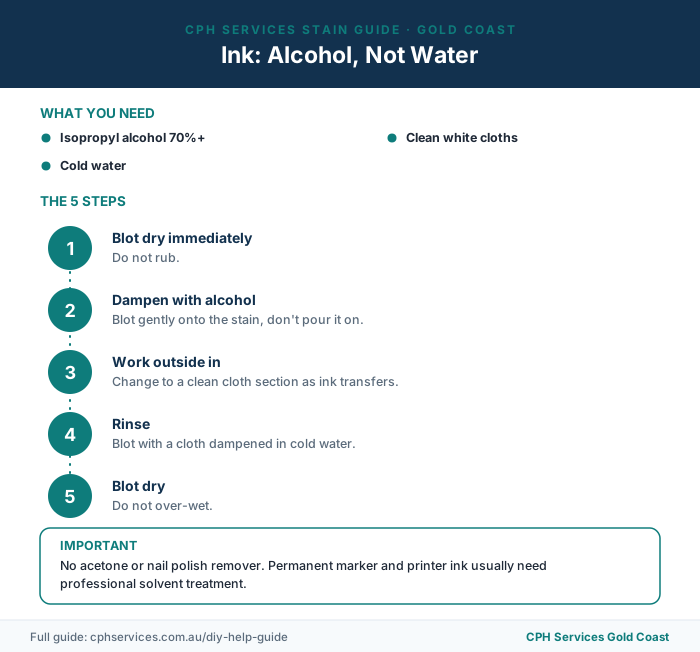
Ink is one of the harder stains to remove at home. Act quickly and use rubbing alcohol (isopropyl alcohol) rather than water.
What you need
Isopropyl alcohol (rubbing alcohol, 70% or higher, from chemists and hardware stores)
Clean white cloths
Cold water
Steps
Blot the ink with a dry cloth immediately. Do not rub.
Dampen a clean white cloth with isopropyl alcohol. Blot gently onto the ink stain. Do not pour directly onto the carpet.
Work from the outside edge inward. You should see ink transferring to the cloth. Change to a clean section of cloth regularly to avoid re-depositing the ink.
Once the ink has lifted as much as possible, rinse by blotting with a cloth dampened with cold water.
Blot dry. Do not over-wet.
Important: Do not use acetone (nail polish remover) on carpet. It will dissolve many synthetic carpet fibres. Permanent marker and printer ink rarely respond to home treatment and typically require professional solvent treatment.
Save this one. Alcohol, not water, the 5 step method.
Tomato Sauce, Curry and Food-Based Stains
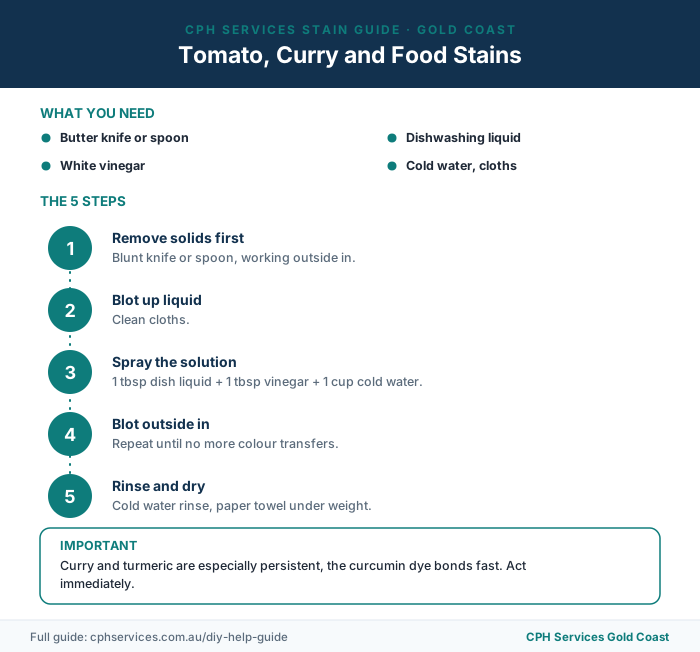
These are mixed stains: protein, oil and pigment combined. Remove solids first, then treat the residue.
What you need
Butter knife or spoon (to remove solids)
1 tablespoon dishwashing liquid
1 tablespoon white vinegar
Cold water, spray bottle, clean white cloths
Steps
Remove as much solid matter as possible with a blunt knife or spoon, working from the outside edge in to avoid spreading.
Blot up any liquid with clean cloths.
Mix 1 tablespoon dishwashing liquid, 1 tablespoon white vinegar and 1 cup cold water in the spray bottle. Spray lightly on the stain.
Blot from outside in. Repeat until the cloth picks up no more colour.
Rinse by blotting with cold water. Dry with paper towel under weight.
Important: Curry and turmeric stains are particularly persistent. The curcumin in turmeric is a natural dye that bonds strongly to protein fibres, and even professional treatment may not fully remove a set turmeric stain. Act immediately.
Save this one. Solids out, then treat the residue, the 5 step method.
Stain quick reference
Stain type
First action
Main solution
Avoid
Red wine
Blot immediately
Dishwashing liquid + vinegar + water
Heat, rubbing
Coffee / tea
Blot immediately
Dishwashing liquid + vinegar + water
Heat, rubbing
Pet urine
Blot, then vinegar rinse
Enzyme cleaner (essential)
Hot water, heat
Blood
Cold water blot
Dishwashing liquid or hydrogen peroxide 3%
Warm or hot water
Grease / oil
Absorb with bicarb soda
Dishwashing liquid (undiluted)
Water alone, solvents on synthetic
Mud / dirt
Let dry completely first
Vacuum + dishwashing liquid solution
Treating wet mud
Ink
Blot immediately
Isopropyl alcohol (70%+)
Acetone, nail polish remover
Tomato / curry / food
Remove solids first
Dishwashing liquid + vinegar + water
Heat, rubbing
If DIY treatment has not resolved the stain, stop. Further attempts can set the stain permanently or damage the carpet fibres. Call CPH Services Gold Coast on 1300 85 48 28 for a professional assessment.
Part 2: DIY Pest Prevention
The Gold Coast's subtropical climate means pests are active year-round. These tips will not eliminate an established infestation, but they can significantly reduce pest pressure between professional treatments. DIY prevention is most effective when combined with professional treatment: these methods deter and reduce activity, they are not a substitute for licensed pest management when an infestation is present.
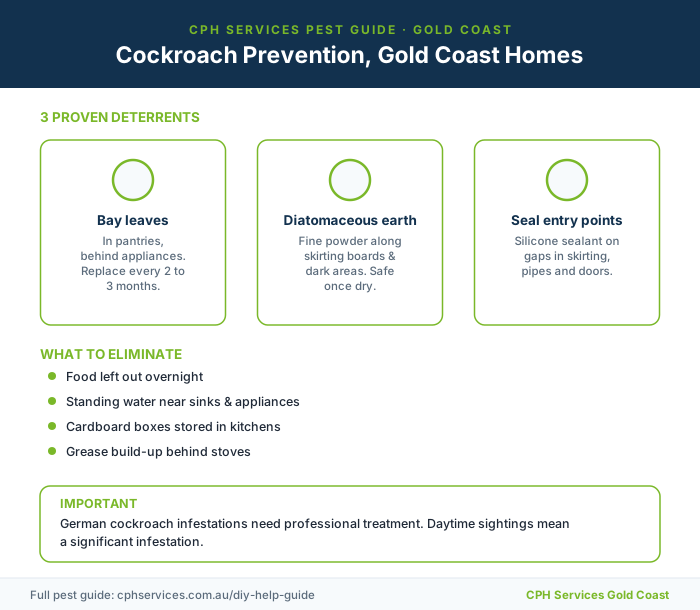
Cockroaches
Cockroaches are the most common pest on the Gold Coast. German cockroaches are particularly persistent and breed rapidly. Australian cockroaches are larger and typically enter from outside. Prevention focuses on removing food, water and harborage.
Proven deterrents
Bay leaves: Place dried bay leaves in pantry shelves, behind appliances, and in kitchen drawers. Cockroaches dislike the compounds in bay leaves and will avoid areas where they are present. Replace every two to three months.
Diatomaceous earth (food grade): A fine powder made from fossilised algae. Apply a thin layer along skirting boards, behind the fridge, under the stove, and in other dark areas cockroaches travel. It damages their exoskeleton on contact and causes dehydration. Safe around pets and humans once dry.
Seal entry points: Cockroaches enter through gaps in skirting boards, around pipes, and under doors. Use silicone sealant to close gaps, particularly effective for German cockroaches in kitchens.
What to eliminate
Food left out overnight, cockroaches forage nocturnally while you sleep
Standing water around sinks, under fridges, and near appliances
Cardboard boxes stored in kitchens, cockroaches breed in corrugated cardboard
Grease build-up behind stoves and on rangehood filters
Important: German cockroach infestations require professional treatment. DIY products from supermarkets are rarely effective against established German cockroach colonies. If you see cockroaches during the day, the infestation is significant and needs professional attention.
Save this one. 3 proven deterrents plus what to eliminate.
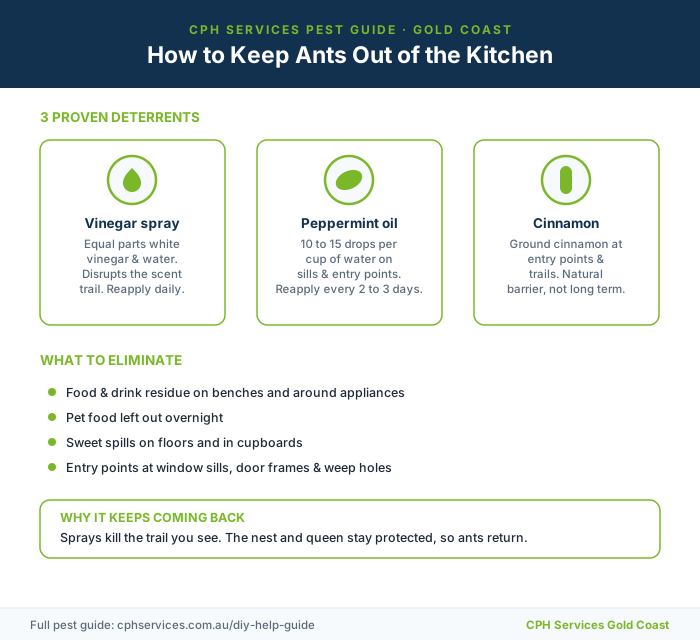
Ants
Ants on the Gold Coast are primarily a nuisance species. They follow scent trails, so disrupting the trail and removing food sources is the most effective home strategy.
Proven deterrents
White vinegar spray: Mix equal parts white vinegar and water in a spray bottle. Spray directly on visible ants and wipe down surfaces they are travelling on. The acetic acid disrupts the pheromone trail. Reapply daily until activity stops.
Peppermint essential oil: Add 10 to 15 drops of pure peppermint oil to 1 cup of water. Shake well and spray along window sills, door frames, and entry points. Reapply every two to three days as the scent fades.
Cinnamon: Sprinkle ground cinnamon across ant entry points and trails. The eugenol in cinnamon is a natural repellent. Not a long-term solution but effective as an immediate barrier.
What to eliminate
Food and drink residue on benches and around appliances
Pet food left out, ant colonies can move in to access a reliable pet food source
Sweet spills on floors and in cupboards
Entry points around window sills, door frames, and weep holes in brickwork
Save this one. The 3 deterrents plus what to eliminate, at a glance.
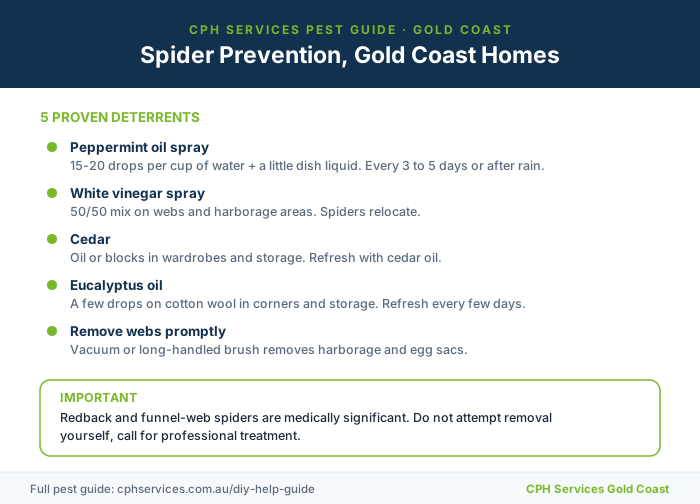
Spiders
Most spiders in Gold Coast homes enter from outside and are following insect prey. Reducing other insects in the home naturally reduces spider numbers over time. Targeted deterrents slow re-entry.
Proven deterrents
Peppermint oil spray: Mix 15 to 20 drops of pure peppermint essential oil with 1 cup of water and a small squeeze of dishwashing liquid to help it disperse. Spray around window frames, door frames, skirting boards, and corners. Reapply every three to five days or after rain.
White vinegar spray: A 50/50 mix of white vinegar and water sprayed directly onto spider webs and the surrounding areas disrupts their harborage. Spiders will relocate.
Cedar: Cedar oil or cedar blocks placed in wardrobes, under beds, and in storage areas repel spiders. Cedar blocks lose potency over time and should be refreshed with cedar oil.
Eucalyptus oil: A few drops on cotton wool balls placed in corners, behind furniture, and in storage areas is a traditional Australian deterrent. Refresh every few days.
Remove webs promptly: Use a vacuum or a long-handled brush. Removing the web removes the harborage and egg sacs and discourages re-establishment.
Important: Redback spiders and funnel-web spiders are medically significant. If you identify either species in or around your home, do not attempt to remove them yourself. Call CPH Services Gold Coast for professional treatment.
Save this one. 5 proven deterrents, and when to call it in.
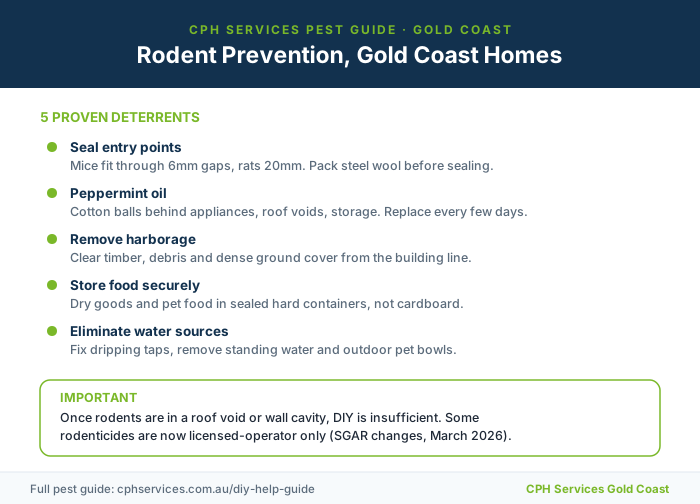
Rodents (Rats and Mice)
Rodents are one of the harder pests to manage without professional treatment once they are established inside a structure. Prevention is significantly more effective than reactive treatment.
Proven deterrents
Seal entry points: Mice can enter through gaps as small as 6mm, rats through 20mm. Check around pipes, conduit, weep holes, and the base of doors. Pack steel wool into gaps before sealing with silicone or expanding foam, as rodents can chew through foam alone.
Peppermint oil: Soak cotton wool balls with pure peppermint essential oil and place them where rodent activity is suspected: behind appliances, in roof voids, and in storage areas. Replace every few days.
Remove harborage: Stacked timber, garden debris, dense ground cover against the building, and clutter in sheds and garages all provide rodent harborage. Clear a gap between the building and vegetation.
Store food securely: Dry goods, pet food, and bird seed in cardboard or thin plastic are accessible to rodents. Move these to sealed hard containers.
Eliminate water sources: Dripping outdoor taps, pooling water near the building, and pet water bowls left outside overnight all attract rodents.
Important: Once rodents are inside a roof void or wall cavity, DIY methods are insufficient. Snap traps can reduce numbers but will not eliminate a colony. Following the SGAR regulation changes in March 2026, certain rodenticide products are now restricted to licensed operators. Call CPH Services Gold Coast for professional rodent management.
Save this one. 5 proven deterrents for rats and mice.
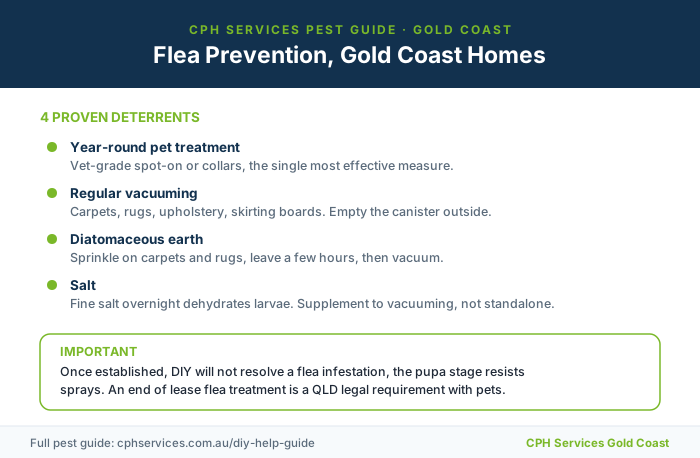
Fleas
Flea prevention in homes with pets requires consistent management. The flea life cycle means visible adult fleas represent only a small proportion of the total population: eggs, larvae, and pupae in carpets and soft furnishings account for the rest.
Proven deterrents
Year-round pet treatment: Consistent veterinary-grade flea treatment on all pets is the single most effective prevention measure. Spot-on treatments or flea collars from a vet are significantly more effective than supermarket products.
Regular vacuuming: Vacuum carpets, rugs, upholstery, and along skirting boards frequently. Vacuuming removes eggs, larvae, and some pupae. Empty the vacuum bag or canister outside immediately after.
Diatomaceous earth (food grade): Sprinkle lightly over carpets and rugs, leave for a few hours, then vacuum. Safe for pets and children once dry, damages flea larvae on contact.
Salt: Finely ground salt sprinkled over carpets and left overnight acts as a desiccant that dehydrates flea larvae. Vacuum thoroughly the next morning. Effective as a supplement to regular vacuuming, not as a standalone treatment.
Important: Once a flea infestation is established, DIY methods will not resolve it. The flea pupa stage is resistant to all sprays and most treatments. If your pet is scratching persistently or you are experiencing bites, call CPH Services Gold Coast. An end of lease flea treatment is a legal requirement in Queensland when a property has been occupied by a pet.
Save this one. 4 proven deterrents, and the QLD lease rule.
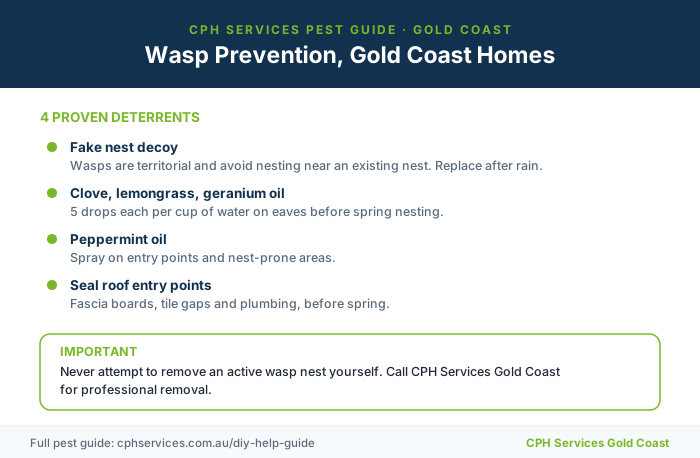
Wasps
Paper wasps and yellow jackets are common on the Gold Coast and nest in roof eaves, pergolas, garden areas, and retaining walls. Prevention focuses on deterring nest establishment before it begins.
Proven deterrents
Fake nest decoy: Paper wasps are territorial and will not establish a new nest near an existing one. A commercially available paper wasp decoy hung in sheltered areas under eaves can deter nest establishment. Replace after rain.
Clove, lemongrass and geranium oil: Mix 5 drops each of clove, lemongrass and geranium essential oils with 1 cup of water and spray along eaves, rafters, and outdoor beams in early spring before nest season begins. Reapply every two weeks.
Peppermint oil: A peppermint spray on entry points and nest-prone areas is an effective deterrent, as with other pests.
Seal roof entry points: Wasps enter roof voids through gaps at fascia boards, under tiles, and around plumbing. Sealing these in late winter before spring nesting season reduces the risk of internal nesting.
Important: Do not attempt to remove an active wasp nest yourself. This is dangerous. Call CPH Services Gold Coast on 1300 85 48 28 for professional nest removal.
Save this one. 4 proven deterrents, before spring nesting season.
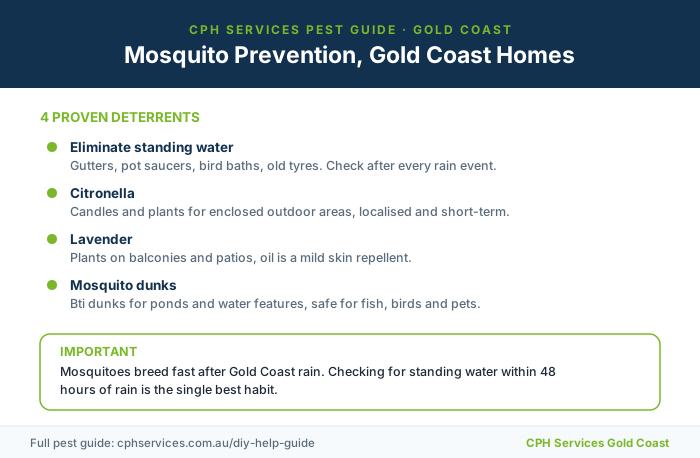
Mosquitoes
Mosquitoes breed in standing water and are most active at dawn and dusk. Prevention is primarily about eliminating breeding sites.
Proven deterrents
Eliminate standing water: Blocked gutters, pot saucers, bird baths, old tyres, and any vessel collecting rainwater are mosquito breeding sites. Check after every rain event.
Citronella: Citronella candles and plants in outdoor areas provide some deterrence in enclosed spaces. The effect is localised and short-term but useful for outdoor entertaining.
Lavender: Lavender plants on balconies and patios repel mosquitoes, moths, and flies. Lavender oil on exposed skin is a mild natural repellent.
Mosquito dunks: For ornamental ponds and water features that cannot be emptied, Bacillus thuringiensis israelensis (Bti) mosquito dunks kill mosquito larvae without harming fish, birds, or pets.
Save this one. 4 proven deterrents, the 48 hour rain check.
Pest prevention quick reference
Pest
Most effective home deterrent
Key prevention step
Cockroaches
Bay leaves, diatomaceous earth
Seal entry points, eliminate food and water sources, remove cardboard
Ants
Vinegar spray, peppermint oil, cinnamon
Disrupt pheromone trails, store food in sealed containers, remove spills
Spiders
Peppermint oil, cedar, eucalyptus oil
Remove webs regularly, reduce other insects in the home
Rodents
Peppermint oil, seal entry points
Block all gaps over 6mm, remove harborage and food sources
Fleas
Diatomaceous earth, regular vacuuming, salt
Year-round veterinary flea treatment on all pets
Wasps
Fake nest decoy, clove/lemongrass/geranium oil
Seal eaves and entry points before spring nesting season
Mosquitoes
Citronella, lavender, Bti dunks
Eliminate all standing water, check after every rain event
When to Call a Professional
DIY methods work best as prevention and as a first response to early activity. There are situations where professional treatment is the only effective option.
Call CPH Services Gold Coast when
Cockroaches are visible during the day. This indicates a significant infestation.
Pet urine smell persists after DIY treatment. The urine has penetrated the underlay.
Rodents are in the roof void or wall cavity.
Fleas are biting occupants or pets despite regular vacuuming.
A wasp nest is active and accessible to people.
Redback or funnel-web spiders have been identified in or around the property.
An end of lease flea treatment is required for rental exit.
DIY stain treatment has not resolved the stain after two attempts.
A stain has been treated with the wrong product and the damage has worsened.
Call 1300 85 48 28 or submit the 60 Second Quick Estimate. We are available Monday to Friday 7am to 8pm and Saturday 7am to 5pm.
CPH Services Gold Coast. Carpet cleaning technician and licensed pest control technician, working Gold Coast properties since 2011. IICRC accredited. Three Best Rated Best Business, 2016 to 2026.